Health and Safety Policy for Man and Van Wallington
 At Man and Van Wallington, health and safety is a core part of how every move, delivery, and item handling task is planned and carried out. This policy sets out the standards expected from our team, with a clear focus on preventing injury, protecting property, and supporting safe working practices at every stage. Whether we are handling a single item or a full van load, we aim to work in a controlled, careful, and responsible way.
The purpose of this policy is to reduce risks to staff, customers, and anyone else who may be affected by our operations. We believe that good safety management depends on planning, communication, and awareness. By identifying hazards early and responding to them properly, our man and van service can maintain a safe and efficient working environment.
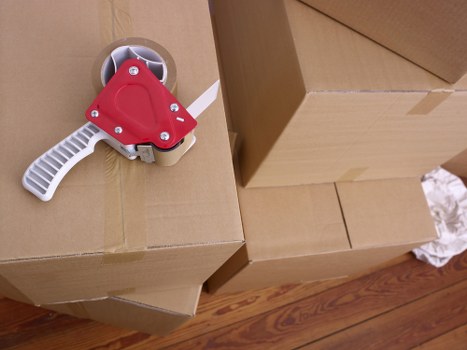 All workers are expected to follow safe systems of work and to use common sense alongside formal procedures. This includes taking care when lifting, securing loads correctly, keeping walkways clear, and reporting anything that could lead to an incident. Safety is everyone’s responsibility, and each person involved in the service must contribute to maintaining high standards.
Our Safety Principles
The company is committed to providing suitable equipment, proper training, and safe working conditions. Vehicles used in the Wallington man and van service are checked regularly to help ensure they are roadworthy, clean, and suitable for transporting items securely. We also expect all staff to maintain a professional awareness of weather conditions, traffic conditions, and site-specific risks that may affect operations.
We recognise that manual handling can present a significant hazard. For that reason, loads should be assessed before they are lifted, and heavy or awkward items should be moved using teamwork or appropriate aids. A safe moving process helps prevent strains, slips, and damage, and it also protects customers’ belongings from unnecessary risk.
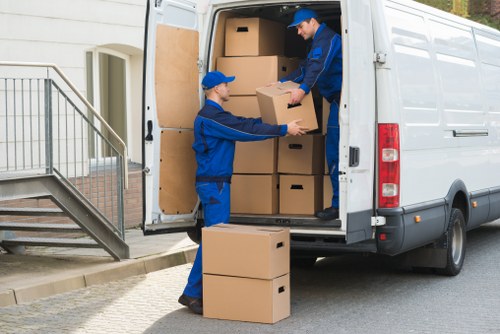 In addition, we expect staff to remain alert to hazards such as uneven surfaces, poor lighting, loose packaging, unstable furniture, and obstruction in access routes. If a task cannot be completed safely, it must be paused until the risk has been reduced. No job is so urgent that it should compromise health and safety.
Risk Assessment and Safe Working
Before work begins, suitable risk checks should be completed where necessary. These do not need to be complicated, but they should be practical and focused on the main hazards connected with the task. The aim is to identify what could go wrong and decide how to control it. This approach supports a reliable man and van operation and helps create consistency across different types of jobs.
When lifting or carrying objects, staff should use correct posture, avoid twisting, and keep loads close to the body where possible. Team lifting should be used for bulky or heavy items. If equipment such as straps, blankets, trolleys, or ramps is required, it must be used properly and only for its intended purpose. Safe handling protects both people and property.
Every vehicle load must be arranged so that items do not shift in transit. Fragile objects should be protected, and heavier items should be positioned to support stability. Drivers and helpers must check that doors are closed securely and that the load does not create a hazard on the road. Good loading practice is a key part of safe transport.
Responsibilities of Staff and Management
Management is responsible for providing clear instructions, maintaining safe equipment, and reviewing safety performance regularly. Staff must cooperate with procedures, wear any required protective clothing, and report defects or concerns without delay. This shared approach helps create a culture where safety is taken seriously and acted on promptly.
It is important that workers do not continue with a task if they are feeling unwell, fatigued, or unable to work safely. Likewise, any person affected by medication, injury, or stress must consider whether they are fit to carry out manual or driving duties. A safe working environment depends on honesty, judgment, and the willingness to stop when conditions are unsuitable.
 We also expect all vehicles, tools, and moving aids to be maintained in good condition. Faulty equipment should be removed from use immediately until repaired or replaced. Regular inspection reduces the risk of accidents and ensures that the man and van service remains dependable and secure.
Incident Reporting and Review
If an accident, near miss, or property damage event occurs, it must be recorded and reviewed so that lessons can be learned. Quick reporting helps identify causes and prevents repetition. Even minor events can reveal useful information about how the business can improve its safety systems and working methods.
We aim to review this policy periodically and update it where needed to reflect operational changes, new risks, or better ways of working. Safety is not a one-time task; it is an ongoing commitment. By keeping procedures current, Man And Van Wallington can continue to provide a service that is careful, efficient, and mindful of the wellbeing of everyone involved.
 Ultimately, this policy reflects our belief that quality service and health and safety go hand in hand. Every move should be completed with planning, attention, and respect for the people and items involved. Through safe behaviour, proper supervision, and consistent standards, we aim to deliver a trusted and professional moving experience.