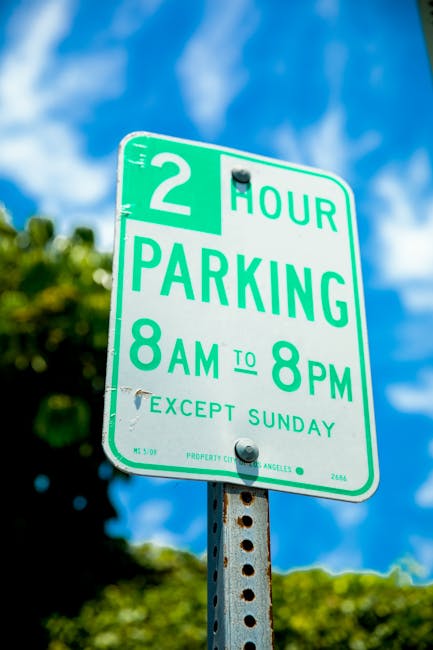
Wallington removals parking suspension rules and permits
If you are planning a move in Wallington, the parking side of the job can be the part that trips everything up. A van may be ready, boxes may be packed, and the key handover may be sorted, but without the right parking suspension rules and permits, a perfectly ordinary removal day can turn into a scramble. This guide to Wallington removals parking suspension rules and permits explains what they are, why they matter, how they usually work in practice, and how to avoid the small mistakes that cause big delays.
Truth be told, most moving problems on the day are not about lifting or loading. They are about access. Is the vehicle too far from the front door? Is the bay outside a property reserved, suspended, or already full? Can the team stop safely without blocking traffic or irritating half the street? Those are the kinds of questions worth sorting early. And yes, it saves money, time, and stress.
At a practical level, you should think of parking arrangements as part of the move itself, not as an admin extra. If you are arranging a house move, flat move, or office relocation, a little planning around parking can make the whole day feel smoother. If you also need help with the wider moving process, it can be worth looking at removal services, house removals, or office removals depending on the type of move you are doing.
Table of Contents
- Why Wallington removals parking suspension rules and permits matters
- How Wallington removals parking suspension rules and permits works
- Key benefits and practical advantages
- Who this is for and when it makes sense
- Step-by-step guidance
- Expert tips for better results
- Common mistakes to avoid
- Tools, resources and recommendations
- Law, compliance, standards, or best practice
- Options, methods, or comparison table
- Case study or real-world example
- Practical checklist
- Conclusion
- Frequently Asked Questions
Why Wallington removals parking suspension rules and permits Matters
Parking controls matter because removals are time-sensitive. A removal van is not like a family car that can squeeze in for five minutes and hope for the best. It needs space to park, load, unload, sometimes wait, and often do all of that while a few people are coming and going through the front door. If the vehicle cannot stop near the entrance, everything becomes slower and messier.
In Wallington, as in much of London and the surrounding boroughs, streets can be narrow, bays can be busy, and controlled parking zones can make things awkward if you have not planned ahead. A parking suspension, a bay reservation, or a temporary permit can be the difference between a smooth handover and repeated laps around the block. And let's face it, nobody enjoys watching a sofa hover awkwardly on the pavement while someone searches for legal parking.
There is also a safety angle. If a removal team has to carry heavy items further than expected, the risk of bumps, slips, and tired handling goes up. More walking distance means more opportunity for doors, kerbs, parked cars, and pedestrians to get in the way. Good parking planning is not just convenient; it supports a safer move.
For customers, the benefit is simple: less chaos. For removal crews, it means they can work in a predictable way. For neighbours, it reduces blocked access and awkward congestion. When a move feels orderly outside, it tends to feel orderly inside too. Small thing, but it really does ripple through the day.
How Wallington removals parking suspension rules and permits Works
Parking arrangements for removals usually fall into a few broad categories. The exact process can vary depending on street layout, road restrictions, and the authority responsible for parking controls in the area. Because local rules can change, it is always wise to check the current requirements rather than assume last year's approach still applies.
In plain English, a permit or suspension is there to give your removal vehicle lawful access to a space it would not otherwise be able to use for the time needed. Sometimes that means reserving a bay, sometimes it means suspending a parking area, and sometimes it simply means making sure the vehicle qualifies under the local conditions for loading and unloading. The details matter more than the label.
Here is the basic flow most people encounter:
- Assess the street - Is there a bay outside, a red route nearby, double yellow lines, permit-only parking, or a narrow access road?
- Check what kind of stopping is allowed - Some streets allow short loading if you stay with the vehicle; others need a formal suspension or permission.
- Allow enough time - Moves almost always take longer than people expect, especially with stairs, flats, awkward furniture, or busy traffic.
- Arrange any required permit or suspension - This may involve a council process, lead time, and conditions about signage or bay use.
- Confirm the vehicle plan - A small van, a larger removal truck, or a man and van setup may each need slightly different space.
- Keep proof handy - If the job requires an issued permit, keep the details close at hand in case someone questions the stop.
One thing that catches people out is assuming that "loading" means anything goes. It usually does not. Loading and unloading is often allowed only under specific conditions, such as staying with the vehicle, not causing an obstruction, and moving efficiently. If the move is substantial or the street is busy, a more formal arrangement is often the safer choice.
If your move involves a flat, parking can be especially important because there may be no driveway or front garden space to use. In that case, flat removals often depend on careful timing and a sensible parking plan. For larger household moves, the same logic applies to home moves and man with van jobs where speed and access are closely tied together.
Key Benefits and Practical Advantages
When parking is sorted properly, the move feels calmer from the first box to the last lamp shade. There is no great mystery to it. You just remove friction.
- Faster loading and unloading - The closer the vehicle can get, the fewer steps every item needs to travel.
- Lower risk of damage - Shorter carrying distances mean fewer chances for knocks, scrapes, and accidental drops.
- Better safety - Heavy furniture and tight doorways are hard enough without extra walking and awkward parking angles.
- Fewer delays - No circling, no waiting, no last-minute panic because the bay is full.
- Less neighbour friction - A tidy, planned stop usually creates fewer complaints than a van blocking half the street.
- Cleaner scheduling - Once the parking plan is in place, the rest of the move can be timed more accurately.
For business moves, this can be even more valuable. Office relocations often have building rules, reception checks, loading bays, or time windows that must be followed. If you are planning a commercial relocation, it is worth pairing parking planning with commercial moves and office relocation services so the logistics work together rather than fighting each other.
There is also a cost angle, although it is not always visible at first glance. A poorly planned parking setup can add labour time, which can push up the total move cost. Even a short delay can have a knock-on effect if multiple trips are needed or if building access is limited to a narrow window. Nobody likes paying for avoidable waiting. Not ideal, frankly.
Who This Is For and When It Makes Sense
This topic matters to more people than you might think. If you are moving in or out of Wallington, there is a good chance parking access needs some attention, even if the move itself is modest.
You should pay particular attention if you are:
- moving from a terraced street with limited curb space
- moving into a flat with no dedicated parking
- using a larger van or removal truck
- moving at peak times when streets are busier
- handling a commercial move where access needs to be tightly scheduled
- moving bulky furniture, pianos, or multiple heavy items
- trying to complete everything on a single day
Students and renters often underestimate how much parking affects the day. A single small van seems simple until you realise the only open space is two streets away. That is when the job starts to feel twice as long. If your move is smaller, a service like student removals or same day removals may still need proper parking planning, just on a tighter schedule.
Likewise, if you are shifting a few large items rather than a whole household, the parking issue still applies. A furniture collection, a single sofa move, or a delicate item like a piano can all need close access. For these jobs, furniture removals, furniture pick up, and piano removals are all much easier when the vehicle can stop in the right place.
Step-by-Step Guidance
Here is a sensible way to approach parking suspension rules and permits without making the process more complicated than it needs to be.
- Look at the property first
Stand outside at roughly the time you expect the move to happen. Morning and late afternoon can feel very different. Notice the bay restrictions, nearby driveways, school traffic, and whether a large van could physically stop without awkward manoeuvring. - Decide what vehicle size the job actually needs
A smaller van is easier to place, but not always enough for a full household move. A larger removal van or moving truck can be more efficient if access is arranged properly. - Check whether ordinary loading is likely to be enough
If the stop is short, the items are light, and you can keep the vehicle attended, standard loading may work. If not, formal parking arrangements may be safer. - Build in lead time
Do not leave parking arrangements until the night before. If a permit or suspension is needed, it can take time to organise. And if you are moving on a busy day, that time can vanish quickly. - Coordinate with the removal provider
Make sure the team knows the exact property, street conditions, and any access problems. Good crews ask about parking for a reason. They are not being fussy; they are avoiding trouble later. - Prepare a backup plan
If the planned bay is occupied or the street changes on the day, know where the next-best stopping point is. This one tiny step can save a lot of tension. - Keep documents and details accessible
Permit references, time windows, and instructions should be easy to find. You do not want to be hunting through a phone while a team waits at the kerb.
If your move is particularly tight for time, it may be worth choosing a provider that can adapt quickly, such as man with a van or removal services. For larger or more complex jobs, a more structured setup such as removal truck hire may be the better fit. It depends on the street, the amount you are moving, and how much room you have to breathe.
Expert Tips for Better Results
These are the practical habits that tend to save the most stress.
- Measure the street space realistically - Don't assume a large vehicle will fit just because it "looks fine" from the pavement.
- Think about doors and corners - Parking near the building is only half the story; the route from vehicle to front door matters too.
- Plan for the awkward item first - Sofas, beds, wardrobes, and appliances change the parking strategy because they need more handling room.
- Avoid peak congestion where possible - School runs, commuter windows, and bin collection days can make parking a lot harder than expected.
- Use the parking plan to shape the packing plan - If access is limited, pack in a way that lets the heaviest or most urgent items come out first.
- Keep a calm margin of time - Even a 15-minute buffer can feel generous when a bay is occupied or a neighbour is reversing out.
In our experience, the people who feel most relaxed on moving day are usually the ones who treated parking as part of the move, not as an afterthought. They have fewer surprises. Funny how that works.
If you want the packing side to run more smoothly too, it can help to organise boxes properly and label them clearly. Services like packing and boxes and packing and unpacking services can reduce time spent hovering at the door wondering what goes where. That matters when parking time is limited and every minute counts.
Common Mistakes to Avoid
Most parking-related problems are very avoidable. The trouble is, they are easy to overlook when you are concentrating on everything else.
- Leaving parking arrangements too late - This is the big one. If a permit or suspension is needed, late action can force a rushed, less efficient move.
- Assuming any stop is fine - Just because a van can briefly pause does not mean it can legally sit there for a full removal.
- Forgetting about street changes - Roadworks, events, refuse days, and temporary restrictions can affect access without much warning.
- Choosing a vehicle that is too large - Bigger is not always better if the street is tight and parking is tricky.
- Not telling the removal team about restrictions - If they are surprised on arrival, the whole day becomes harder.
- Ignoring neighbours and access needs - Blocking driveways or shared access points can create avoidable conflict.
One common slip-up is focusing only on the collection address. The destination matters too. You may have perfect parking at one property and almost none at the other, which means the overall move still needs careful coordination. A move is only as smooth as its most awkward end.
If the situation feels tight, it is often worth speaking to experienced removal companies rather than trying to improvise everything yourself. That does not mean you lose control. It just means you get someone who has seen the awkward bits before.
Tools, Resources and Recommendations
You do not need a giant toolkit to get this right, but a few simple resources can make the process easier.
- A measuring tape or phone measure app - Useful for checking whether a van can stop without blocking access.
- Photos of the street - Send them to your mover if the access looks awkward. A picture often says more than a paragraph.
- A written move plan - Include addresses, timings, floor numbers, parking notes, and contact details.
- Labelled box system - It speeds up unloading and reduces the time the vehicle needs to stay parked.
- Backup parking options - Know the next nearest legal stopping point in case your first option is taken.
For movers who want a more seamless experience, it can also help to use services that reduce the number of moving-day variables. Storage can be useful if access at one end is delayed or if completion dates do not line up perfectly. If your move needs to happen in a hurry, same day removals may be worth considering, but only if parking and access are still properly planned.
If you are comparing options, you may also want to look at whether a provider offers a more personal moving style or a larger fleet-based approach. The right choice depends on the property and the parking conditions, not just the headline service name. Sometimes the simplest setup is the smartest one.
Law, Compliance, Standards, or Best Practice
Because parking on public roads touches local regulation, it is sensible to be careful. Exact rules are set locally and can depend on the road, the time of day, the type of vehicle, and whether the bay or kerb space is subject to restrictions. So while the broad principle is straightforward, the details should always be confirmed before moving day.
Best practice is to treat all parking and loading arrangements as compliance-sensitive. That means:
- checking the current local parking requirements before relying on a space
- not assuming that a short stop is automatically acceptable
- keeping the vehicle attended where required
- avoiding obstruction of driveways, junctions, crossings, and emergency access points
- allowing enough time for loading without overstaying any permitted window
It is also smart to align parking arrangements with broader moving safety standards. A good moving plan should reduce manual handling risks, keep walkways clear, and avoid unnecessary carrying distances. If a parking plan forces the crew to drag heavy items too far, the process has probably been set up badly. Simple as that.
For reassurance, many customers find it helpful to choose a mover that takes safety and process seriously. You can review company information such as health and safety policy and insurance and safety alongside practical move planning. That way, you are not just hoping for the best. You are checking the moving setup from a few angles, which is a more grounded way to proceed.
Options, Methods, or Comparison Table
If you are deciding how to handle parking for a Wallington move, the best route often depends on how much time, space, and flexibility you have.
| Option | Best for | Pros | Possible drawbacks |
|---|---|---|---|
| Standard loading/unloading | Very small moves, quiet streets, short stops | Simple, fast to organise, no formal setup in some cases | May not be suitable for longer jobs or restricted streets |
| Parking suspension | Moves needing a reserved bay or controlled stopping space | Predictable access, closer loading point, fewer disruptions | Usually needs planning, timing, and approval in advance |
| Temporary permit arrangement | Properties in controlled parking areas or permit-only zones | Can make legal access easier where parking is limited | Rules vary, and you must follow the conditions exactly |
| Smaller van with flexible timing | Compact moves, student flats, partial loads | Easier to place on tight streets, often less disruptive | May require multiple trips if the load is larger than expected |
| Larger removal vehicle with planned access | Full house moves, office moves, bulky items | Efficient for larger loads, fewer trips, better for team loading | Needs more careful parking and route planning |
For many households, the best answer is not the cheapest option or the biggest van. It is the option that matches the street. That sounds obvious, but people do miss it. Often.
Case Study or Real-World Example
Consider a typical Wallington flat move on a weekday morning. The property is on a residential street with a mix of resident bays and regular visitor parking. The customer has two bedrooms' worth of furniture, a few awkward items, and several sealed boxes. At first glance, the move looks manageable in one run.
But then the parking reality shows up. The nearest legal space is not directly outside the building. A normal car keeps using the available spots throughout the morning, and there is a school nearby, so the road gets busier just as the team wants to load. If no parking plan has been made, the removal crew has to stop further away, carry items around other parked cars, and wait between trips. Everything slows down. The customer starts checking the clock. The day becomes tense in that little, annoying way moving days often do.
Now imagine the same move with parking thought through in advance. The customer has checked the likely restrictions, allowed enough time, and told the mover about the bay situation. The team arrives, parks as close as possible within the agreed arrangement, and gets the heaviest items out first. The loading route is shorter, the neighbour access remains clear, and the whole job feels calmer. Not perfect, because moves never are. But much better.
That small change in planning can be the difference between "we got through it" and "that actually went well." And honestly, that is what most people want.
Practical Checklist
Use this checklist a few days before the move. It is simple, but it works.
- Confirm the moving date and time window
- Inspect both properties for parking restrictions
- Check whether a suspension, permit, or special loading arrangement is needed
- Decide the most suitable vehicle size for the street
- Tell the removal team about stairs, lifts, entry codes, and access limits
- Arrange backup parking if the first choice is unavailable
- Prepare documents or reference details in advance
- Label the most urgent boxes clearly
- Keep pathways at both ends clear
- Plan for weather, traffic, and a bit of delay, because life happens
If you are also balancing deadlines, work commitments, or a last-minute completion, combining the parking plan with sensible moving support can help a lot. For example, pricing and quotes is a useful place to start if you want to compare service options before the move date gets close. A clear price conversation usually leads to a clearer parking conversation too.
Conclusion
Wallington removals parking suspension rules and permits are not glamorous, but they are one of the most practical parts of a smooth move. When access is planned properly, the rest of the day tends to feel lighter. Fewer delays, fewer carrying problems, fewer awkward conversations in the street. That is the real value here.
Whether you are moving a flat, a family home, an office, or a single heavy item, the same principle applies: sort the parking before it becomes a problem. If the street looks tight, assume it will be tight. If you think access might be awkward, it probably will be. A little realism goes a long way.
And if you want a move that feels organised rather than improvised, start with the parking plan, then build the rest around it. Simple, sensible, done.
Get a free quote today and see how much you can save.
Small details make a big difference on moving day, and getting the parking right is often one of the kindest things you can do for your future self.
Frequently Asked Questions
Do I always need a parking permit for removals in Wallington?
Not always. Some moves can be handled with standard loading and unloading, but if the road is restricted, busy, or permit-controlled, you may need a formal arrangement. The safest approach is to check the parking situation for both the collection and delivery address before the move.
What is the difference between a parking suspension and a permit?
A permit usually gives authorised access to park under specific conditions, while a suspension temporarily removes normal use of a bay or space so it can be reserved for your move. The exact terminology and process can vary locally, which is why it helps to confirm the current rules rather than assume the same thing applies everywhere.
How far in advance should I sort parking for a removal?
As early as possible. If there is any chance you need a permit or suspension, do not leave it until the week of the move. A few days may be enough in some cases, but extra lead time gives you room for changes, delays, or missing information.
Can a removal van just stop outside my house for loading?
Sometimes, yes, but only if the stopping is lawful and safe. On many streets, short loading is allowed under certain conditions, but it is not a free pass to block traffic or ignore restrictions. If in doubt, plan for something more secure.
What happens if someone parks in the space I planned to use?
It happens. Streets are unpredictable. That is why a backup plan matters. If your chosen bay is occupied, the team may need to use the nearest legal alternative or adjust the loading sequence. Having a plan B can save a lot of stress.
Does the size of the van matter for parking rules?
Yes, it can. A smaller van is usually easier to place in tight streets, while a larger removal truck may need more careful access planning. The vehicle choice should match both the load and the street conditions, not just the amount of furniture.
Are flats more complicated than houses for parking?
Often, yes. Flats frequently have less direct access, fewer private spaces, and more shared parking arrangements. That does not mean the move will be difficult, but it does mean parking and loading need a bit more attention.
What if my move is very small?
Even a small move can run into parking problems. A few boxes and a sofa can still need close access, especially if the property is on a narrow street or in a controlled parking zone. Smaller does not always mean simpler.
How can I reduce the amount of time the van needs to stay parked?
Pack well, label boxes clearly, keep entry paths clear, and have everything ready before the vehicle arrives. If you use packing support, that can help too. The less time spent hunting for items, the less time the van needs to sit there waiting.
Is parking planning important for office moves too?
Very much so. Office relocations often have tighter schedules, building rules, and larger quantities of equipment. A parking issue can disrupt not just the move but the working day around it. Good access planning is a big part of a clean office relocation.
What should I tell the removal team about parking?
Tell them the street type, any bays or restrictions, likely vehicle size, nearby obstacles, time limits, and whether there are multiple addresses involved. If something feels awkward, mention it. The awkward bit is usually the most important bit.
Where does storage fit into the plan?
Storage can help when access is split between dates, when completion times do not line up, or when you need to move out before you can move in. It does not replace parking planning, but it can make the overall move much less pressured.